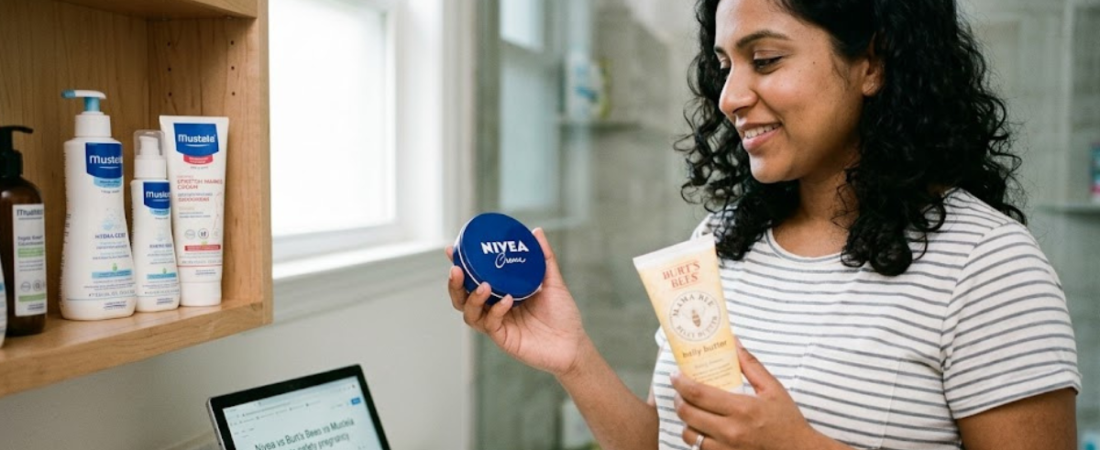
If you’re thinking, “i’m a pregnant woman. are nivea products safe compared to burt’s bees or mustela?”—you’re asking one of the most important skincare questions during pregnancy.
Pregnancy changes everything, including your skin. Hormones can make your skin more sensitive, dry, oily, or unpredictable. So it makes sense to carefully choose what you put on your body.
The good news? Most mainstream skincare brands are generally safe—but some are more pregnancy-focused than others. Let’s break it down clearly so you can feel confident about your choices.
Why Pregnancy Skincare Safety Matters
During pregnancy, your skin can become more reactive due to hormonal shifts. While most skincare products don’t deeply penetrate the bloodstream, some ingredients are best avoided as a precaution.
Common pregnancy skincare concerns include:
- Strong retinoids (vitamin A derivatives)
- High-dose salicylic acid
- Certain essential oils
- Artificial fragrances (for sensitive skin)
This is why many people switch to gentler, more natural or dermatologically tested brands during pregnancy.
Are Nivea Products Safe During Pregnancy?
NIVEA is a well-known skincare brand offering moisturizers, body lotions, and creams designed for everyday use.
General safety overview:
Most Nivea products are considered generally safe for pregnancy, especially their basic moisturizers and body lotions.
Why Nivea is usually safe:
- Focus on simple hydration formulas
- Widely dermatologically tested
- Low risk of harsh active ingredients
- Good for dry and sensitive skin
Things to watch for:
- Fragranced versions (may irritate sensitive pregnancy skin)
- Products with strong actives (rare in Nivea but always check labels)
Best use during pregnancy:
- Daily body moisturization
- Preventing stretch-related dryness
- Soothing sensitive skin
Nivea is more of a basic, reliable hydration brand rather than a specialized pregnancy skincare line.
Burt’s Bees: Natural but Not Always Simple
Burt’s Bees is known for using more natural ingredients like beeswax, botanical oils, and plant extracts.
Why people choose Burt’s Bees:
- “Natural” ingredient positioning
- Minimal synthetic additives
- Good for lip care and gentle moisturization
Pregnancy-friendly benefits:
- Many products are considered safe
- Fewer harsh chemicals
- Good for people avoiding synthetic ingredients
Things to be aware of:
- Essential oils may irritate sensitive skin
- “Natural” does not always mean hypoallergenic
- Some formulas still contain fragrance allergens
Burt’s Bees is a good middle-ground option for those who prefer more natural skincare but still want effective hydration.
Mustela: The Pregnancy and Baby Skincare Specialist
Mustela is specifically known for baby and maternity skincare.
Why Mustela stands out:
- Designed for pregnancy and postpartum skin
- Dermatologist-tested formulas
- Focus on sensitive skin safety
- Stretch mark and body care products
Pregnancy-safe strengths:
- Very low irritation risk
- Formulated for hormonal skin changes
- Often recommended by dermatologists for expecting mothers
Popular uses:
- Stretch mark prevention creams
- Hydrating body lotions
- Soothing sensitive skin during pregnancy
Mustela is often considered the most pregnancy-focused brand of the three.
Nivea vs Burt’s Bees vs Mustela: Which Is Safer?
Now let’s directly answer your question:
“i’m a pregnant woman. are nivea products safe compared to burt’s bees or mustela?”
The truth is: all three brands are generally safe—but they serve different needs.
Side-by-side comparison:
| Brand | Safety Level in Pregnancy | Best For |
| NIVEA | Safe (basic care) | Hydration & dryness relief |
| Burt’s Bees | Mostly safe (natural focus) | Gentle natural skincare |
| Mustela | Very pregnancy-focused | Stretch marks & sensitive skin |
Which One Should You Choose During Pregnancy?
Your choice depends on your skin needs and preferences.
Choose Nivea if:
- You want simple, affordable hydration
- Your skin is dry but not highly sensitive
- You prefer classic skincare products
Choose Burt’s Bees if:
- You prefer more natural ingredients
- You avoid synthetic skincare formulas
- You like botanical-based products
Choose Mustela if:
- You want pregnancy-specific skincare
- You’re concerned about stretch marks
- You have sensitive or reactive skin
Key Ingredients to Avoid During Pregnancy
Regardless of brand, it’s important to check labels carefully.
Ingredients to limit or avoid:
- Retinoids (vitamin A derivatives)
- High-strength salicylic acid
- Hydroquinone
- Strong synthetic fragrances
- Certain essential oils (in high concentrations)
Always read ingredient lists or consult your doctor if unsure.
Simple Pregnancy Skincare Routine Example
If you want a safe, easy routine:
Morning:
- Gentle cleanser
- Lightweight moisturizer (Nivea or Mustela)
- Sunscreen (pregnancy-safe SPF)
Evening:
- Cleanser
- Hydrating cream (Burt’s Bees or Mustela)
- Body lotion for dryness
FAQs
Is Nivea safe during pregnancy?
Yes, most Nivea products are considered safe for pregnancy, especially basic moisturizers and lotions.
Is Burt’s Bees safe for pregnant women?
Generally yes, but check for essential oils or fragrances if you have sensitive skin.
Why do people prefer Mustela during pregnancy?
Because Mustela is specifically designed for pregnancy and baby skin, making it highly gentle and dermatologist-recommended.
Can I use all three brands during pregnancy?
Yes, many people mix them depending on their skin needs and product type.
What skincare ingredients should I avoid while pregnant?
Avoid retinoids, strong acids, and potentially irritating essential oils unless approved by your doctor.
Conclusion
So, coming back to your question—“i’m a pregnant woman. are nivea products safe compared to burt’s bees or mustela?”
The honest answer is: yes, all three brands are generally safe, but they serve different purposes.
- NIVEA is great for simple hydration and everyday use
- Burt’s Bees offers a more natural skincare approach
- Mustela is the most pregnancy-specific and dermatologist-focused option
The best choice really depends on your skin sensitivity, preferences, and comfort level with ingredients.
At the end of the day, pregnancy skincare doesn’t have to be complicated—it just needs to be gentle, consistent, and safe for you and your baby.