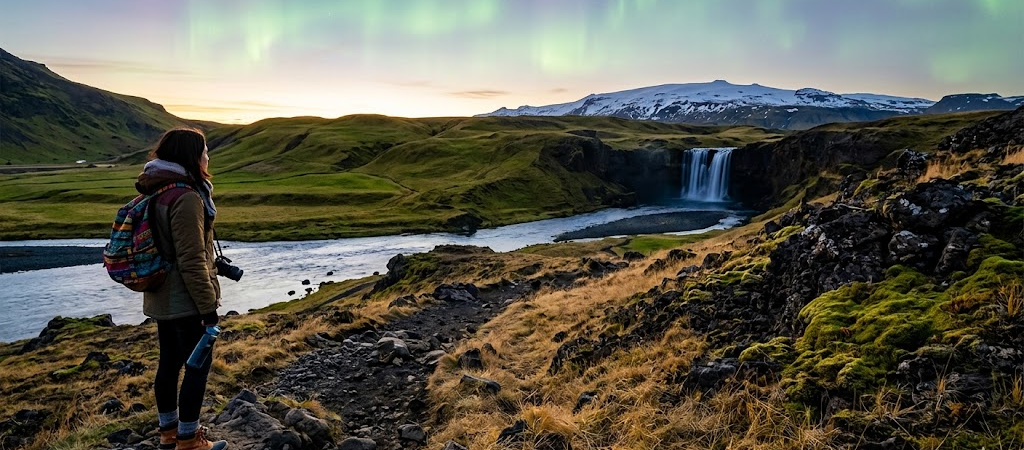
Planning a trip to Iceland is so exciting! This island is full of magic, but the weather can be a bit wild. Choosing the Best Time to Visit Iceland really depends on what you want to see. Do you dream of seeing the northern lights? Or perhaps you prefer long, sunny days for hiking? Every season here offers something truly special. I have explored these landscapes myself, and I can tell you that there is no “wrong” time to go. Whether you want snowy winter fun or bright summer adventures, this guide will help you pick the perfect dates for your dream vacation. Let’s dive in and find your perfect Icelandic season.
Understanding Iceland’s Unique Seasons
Iceland’s weather changes fast, but we can group the year into four main parts. Summer, from June to August, is when the days are longest and the weather is mildest. Winter, which lasts from November to March, brings snowy landscapes and dark nights. Then there are the shoulder seasons. Spring (April–May) and Fall (September–October) are the “in-between” times. These months often have fewer crowds and better prices. Understanding these patterns is key to finding the best time to visit Iceland for your style.
Why Summer Is So Popular
Many travelers think summer is the best time to visit Iceland. From June to August, you get the famous “midnight sun.” This means it almost never gets dark! You can hike at midnight or explore waterfalls in the evening light. All the roads, including those to the remote Highlands, are usually open and safe. It is perfect for families or anyone who loves being outdoors all day long. Just remember, because it is so popular, you should book your hotels and car rentals well in advance.
Chasing the Magical Northern Lights
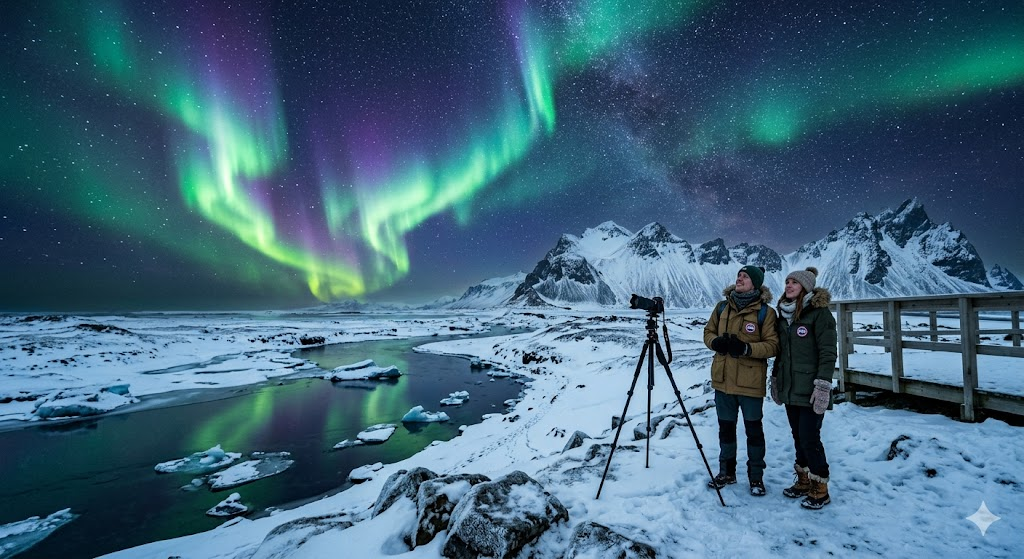
If seeing the aurora borealis is your main goal, you must visit during the dark months. The best time to visit Iceland for northern lights is between September and March. During this time, the nights are long and dark, which is exactly what you need to see the colors dance. January and February are very cold, but the dark skies offer the best chances for a great show. Always remember that the aurora is a natural event. It is never guaranteed, so keep your schedule flexible and watch the local weather reports.
Exploring the Snowy Winter Wonderland
Winter in Iceland is like stepping into a fairy tale. While it is chilly, it is one of the best time to visit Iceland for unique activities. You can explore natural blue ice caves or walk on massive glaciers. Many people also love soaking in natural hot springs while snow falls around them. It is very relaxing! If you visit in winter, just be prepared for shorter days and icy roads. Stick to main roads or join a guided tour to stay safe.
The Beauty of Shoulder Seasons
Many smart travelers prefer the shoulder seasons. If you want to avoid the biggest crowds, the best time to visit Iceland might be May or September. In May, nature starts to wake up, and you get more daylight without the summer rush. September is also wonderful, with beautiful fall colors and a good chance to see the northern lights. These months often offer a nice mix of activities. Plus, you might find cheaper flights and hotels during these quiet times.
Quick Planning Table: Which Season Fits You?
| Season | Best For | Weather | Crowd Level |
| Summer | Hiking, Midnight Sun, Road Trips | Mild (10–15°C) | High |
| Winter | Northern Lights, Ice Caves | Cold (-2 to 3°C) | Low |
| Spring | Budget Travel, Bird Watching | Changing | Moderate |
| Fall | Photography, Northern Lights | Cool (5–10°C) | Moderate |
Tips for Your First Trip
No matter when you decide is the best time to visit Iceland, always pack layers. The weather can change from sun to rain in minutes. A good waterproof jacket and sturdy hiking boots are absolute must-haves. Also, don’t try to see the whole country in two days. It is much better to pick one region and explore it well. I always suggest driving the Golden Circle on your first trip. It is easy to navigate and shows you the best of Iceland’s nature.
Wildlife Watching Opportunities
Nature lovers have specific months to mark on their calendars. If you want to see puffins, the best time to visit Iceland is late spring through early summer. These cute birds arrive on the cliffs in May and stay until August. Whale watching is also fantastic from April to September. Seeing a humpback whale breach in the ocean is a moment you will never forget. Always book your wildlife tours with local experts who respect the animals and their homes.
Budgeting for Your Adventure
Iceland can be expensive, but you can save money if you plan right. The best time to visit Iceland for budget travelers is definitely the off-season. From November to March (excluding the holidays), prices for hotels and car rentals often drop significantly. You can save a lot by cooking your own meals or visiting free natural sites like hot springs and waterfalls. Just keep an eye on travel deals and book your flights early.
Staying Safe While Exploring
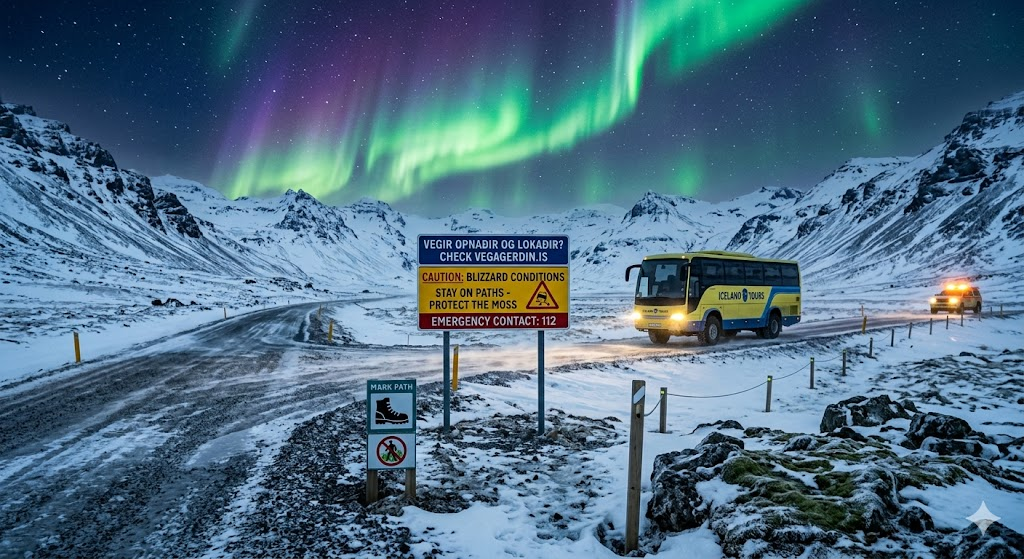
Safety is important in Iceland’s wild landscapes. The wind can be very strong, and the roads can be slippery. Always check the official road condition website before you drive. If you are not used to driving in snow, it is better to take a bus or join a group tour. When hiking, stay on marked paths to protect the fragile moss and your own safety. Being prepared makes your trip much more enjoyable!
Frequently Asked Questions
1. What is the absolute best time to visit Iceland?
For most people, June to August is the best time to visit Iceland because of the nice weather and long days.
2. Can I see the northern lights in summer?
No, the sky does not get dark enough in the summer to see them. You need the dark nights of winter.
3. Is it hard to drive in Iceland during winter?
Yes, it can be. If you visit in winter, rent a 4×4 vehicle and be prepared for icy and windy conditions.
4. When is the cheapest time to go?
The off-season months from November to March generally have the lowest prices for flights and stays.
5. Do I need a lot of daylight to explore?
It helps! Summer gives you nearly 24 hours of light, which is great for seeing many sights in one day.
6. Are all attractions open year-round?
Most big sights are open, but some mountain roads and remote trails only open during the summer months.
Conclusion
Now that you know the best time to visit Iceland, you are ready to start planning! Whether you choose the bright, endless days of summer or the snowy, magical nights of winter, you are in for an amazing adventure. Iceland has a way of capturing your heart and leaving you wanting more. Start looking at your calendar, pick your favorite season, and get ready for a trip of a lifetime. Have you decided which season fits your travel style best? Let me know in the comments below!