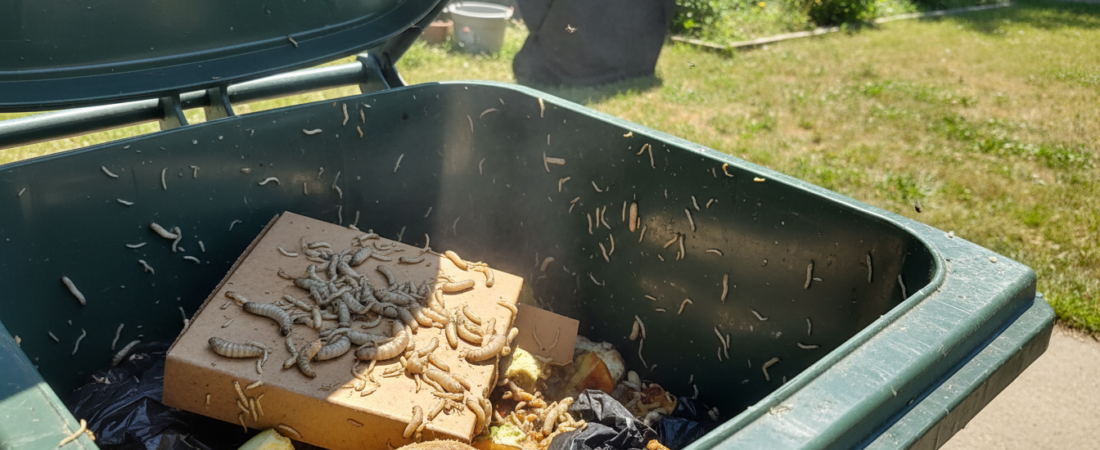
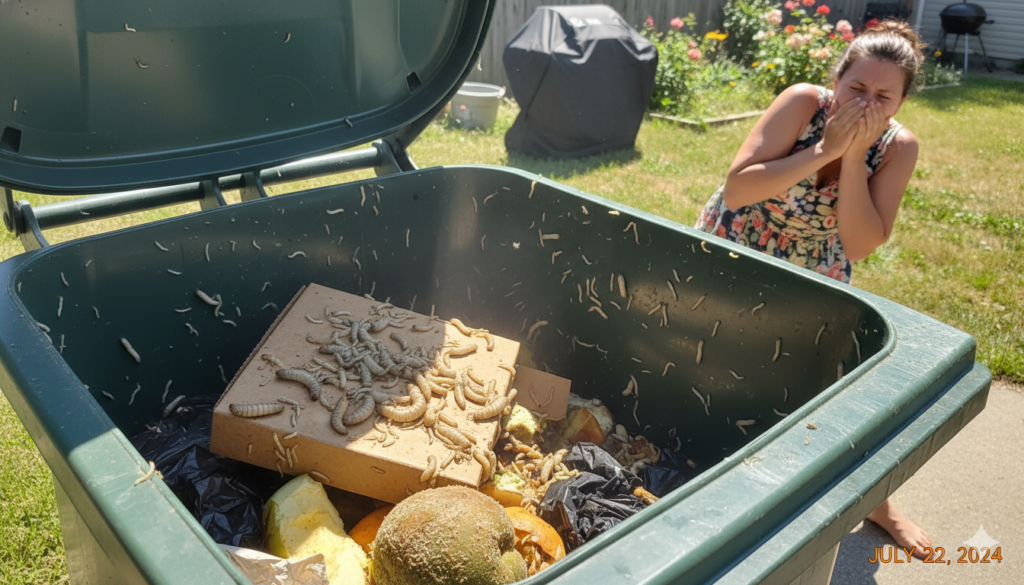
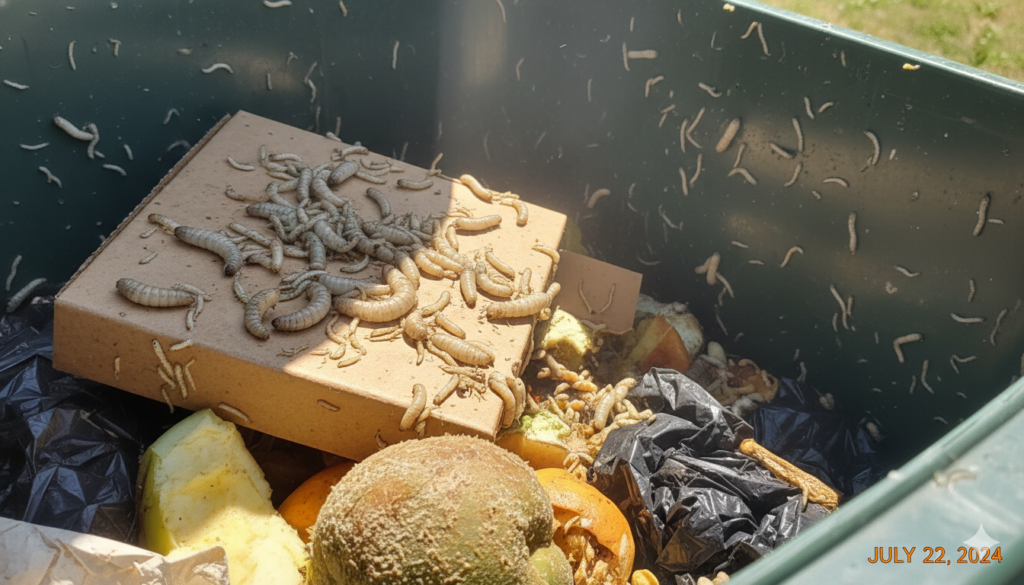
Summer brings sunshine, barbecues, and outdoor fun. Sadly, it also brings a very gross problem that nobody wants to deal with. We are talking about finding Maggots Wheelie Bins Hot Weather. It is a common issue that makes many people dread taking out the trash. You open the lid, and suddenly, you see hundreds of tiny, wriggling white worms. It can truly ruin your day.
But you do not have to live with this slimy nightmare. Understanding why these pests show up is the first step to winning the battle. With a few simple changes to how you handle your household waste, you can keep your outdoor cans perfectly clean. This guide will teach you everything you need to know about preventing and destroying these unwanted visitors. Let us dive into the best ways to protect your home this summer.
Why Do Maggots Love Wheelie Bins in Hot Weather?
To solve the problem, we must understand why it happens in the first place. Maggots are actually just baby flies, also known as fly larvae. During the summer, flies are highly active and always searching for a cozy place to lay their eggs. Your smelly trash can acts like a five-star hotel for them. It is warm, dark, and filled with delicious food scraps.
When you combine maggots wheelie bins hot weather, you get the perfect storm. The high summer temperatures cause food waste to rot much faster than usual. This rotting food creates a very strong smell that flies can detect from far away. Once a female fly gets inside your bin, she can lay hundreds of eggs at once. In the blazing heat, these eggs hatch into wriggling larvae in less than twenty-four hours.
The Secret Trick: Essential Oils to Deter Flies
Flies rely heavily on their sense of smell to find food and places to lay eggs. Fortunately, you can use their powerful noses against them. Certain natural scents are highly offensive to flies but smell amazing to humans. Essential oils are a fantastic, non-toxic weapon to keep your outdoor trash areas smelling great and staying pest-free.
The best scents to use are peppermint, eucalyptus, and tea tree oil. You can mix a few drops of these oils with water in a handy spray bottle. Spritz the inside and outside of your bin every time the garbage collectors empty it. Another great method is soaking a few cotton balls in peppermint oil and tossing them into the bottom of the can. This creates a scent barrier that flies simply cannot stand, forcing them to look elsewhere.
How to Clean Your Bin Quickly and Effectively
If you already have a pest infestation, you need to take action fast. Cleaning a dirty trash can might seem like a horrible chore, but it is necessary. First, wait until the garbage truck empties your bin. Then, move the can to an outdoor area with good drainage, like a patch of grass or near a driveway drain.
Boiling water is your cheapest and most effective weapon here. Pouring boiling water directly over the pests will destroy them instantly. After that, wash the entire bin using a mixture of white vinegar and dish soap. Scrub the walls with a long-handled brush to remove any stuck-on food residue. Rinse the bin thoroughly with a garden hose and leave it upside down in the sun to dry completely.
Easy Summary: Quick Reference Prevention Table
| Action Step | Why It Works | How Often to Do It |
| Double-Bag Meat Scraps | Traps smells and blocks flies | Every single time you cook |
| Keep the Lid Closed | Creates a physical barrier | Always check after using |
| Use Peppermint Oil | Repels adult flies naturally | Spray weekly after trash day |
| Wash with Vinegar | Kills bacteria and removes odors | Once a month during summer |
| Store in the Shade | Slows down food rotting | Keep there all summer long |
The Golden Rule: Double-Bag Your Food Waste
The absolute best way to stop maggots wheelie bins hot weather is to cut off the flies’ food supply. If flies cannot smell or touch your leftover food, they will not lay eggs. This is why you should always double-bag your food waste, especially meat, fish, and bones. These items spoil quickly and create the strongest odors.
Before throwing food scraps away, wrap them tightly in a small plastic bag or newspaper. Then, place that bag inside your main, heavy-duty trash bag. Tie the main bag with a very tight knot. This double-layer system keeps odors trapped inside and prevents flies from crawling onto the waste. It takes just ten extra seconds but saves you from a massive headache later.
Why You Should Move Your Bin into the Shade
Location matters a lot when it comes to managing your outdoor waste. Many people leave their trash cans in direct sunlight next to the garage or driveway. In the middle of summer, direct sunlight turns your plastic bin into a literal oven. The internal temperature can skyrocket, causing food to decay at an alarming speed.
To prevent maggots wheelie bins hot weather, find a cool, shady spot for your cans. Moving them to the side of the house under a tree or awning makes a huge difference. Cooler temperatures slow down the decomposition process, which means less smell. A cooler bin also slows down the hatching time of fly eggs, giving you a better chance of keeping them away.
Keep the Lid Shut Tight Every Single Time
It sounds incredibly simple, but keeping the lid closed is a step many people forget. A slightly open lid is an open invitation for pests to move right in. Sometimes, we overfill our bins, leaving the lid propped open by a stray cardboard box or a large bag. This is a huge mistake during the hot summer months.
Always ensure your bin lid fits tightly and flat against the base. If your lid is warped or broken, contact your local council or waste company for a replacement. If you live in a very windy area, you can place a heavy brick or stone on top of the lid to keep it secure. This simple habit keeps flies out and prevents hungry raccoons or stray cats from knocking the bin over.
Use Baking Soda to Destroy Bad Smells
Baking soda is a magical ingredient that every homeowner should have in their cleaning cupboard. It is famous for its ability to absorb bad odors rather than just masking them with perfume. Since flies are attracted to bad smells, neutralizing the odor is a brilliant way to protect your trash area.
Every week, after your trash is collected, sprinkle a generous cup of baking soda into the bottom of the empty bin. You can also sprinkle a little bit directly into your trash bags as you fill them up throughout the week. This cheap and easy trick keeps the bin dry and smelling fresh, making it highly unattractive to passing insects.
The Power of Dish Soap and Boiling Water
When you are facing a sudden emergency, you do not need to run to the store for expensive chemicals. You likely already have the perfect remedies right in your kitchen. Standard dish soap and a kettle full of boiling water can solve your problem in just minutes without harming the environment.
Pouring boiling water over the pests eliminates them on contact without creating chemical fumes. Adding a good squirt of dish soap to the mix breaks down the greasy film that protects fly eggs. Dish soap also leaves a clean, fresh scent behind. This method is safe, fast, and highly reliable for anyone dealing with an unexpected summer mess.
Try Using Newspaper at the Bottom of the Bin
Moisture is the best friend of rotting food and growing pests. Liquid often leaks out of garbage bags, creating a smelly, swampy puddle at the very bottom of your bin. This liquid is a magnet for flies. To fix this, you need a way to absorb the extra moisture before it causes trouble.
An easy trick is to place several layers of old newspaper or cardboard at the bottom of your empty bin. The paper acts like a giant sponge, soaking up any accidental leaks or condensation. When trash day arrives, the paper usually slips right out with the bags. This keeps the plastic bottom clean and dry, preventing slimy buildup.
When to Call in the Professional Bin Cleaning Services
Sometimes, a messy bin is just too much to handle on your own. If you have a busy schedule, a physical limitation, or simply a weak stomach, you do not have to do the dirty work. There are professional local businesses that specialize entirely in washing and sanitizing outdoor garbage cans.
These professional services usually visit your home on the exact same day your trash is collected. They use high-pressure hot water and biodegradable cleaning products to blast away dirt, germs, and pests. They leave your cans sparkling clean and smelling like citrus or cherries. It is an affordable way to buy peace of mind during the hottest weeks of the year.
Conclusion: Enjoy a Clean, Pest-Free Summer
Dealing with maggots wheelie bins hot weather is definitely unpleasant, but it is a problem you can easily control. By using simple habits like double-bagging food, utilizing essential oils, and keeping your cans in the shade, you can stop flies before they ever cause trouble. A little bit of regular maintenance goes a long way in keeping your home comfortable. Take action today, try out these tips, and enjoy a clean, fresh-smelling yard all summer long!
Frequently Asked Questions
Can maggots crawl out of the wheelie bin?
Yes, they can. When they are ready to turn into adult flies, they often crawl upwards to find a dry, dark place to hide. This is why you often see them wriggling around the rim or outside of the lid.
Is bleach the best way to kill them?
While bleach does work, it is harsh and can damage the environment when rinsed away. Boiling water and dish soap are much safer, cheaper, and just as effective at destroying them instantly.
How fast do fly eggs hatch in summer weather?
In hot temperatures, fly eggs can hatch into larvae in as little as 8 to 24 hours. This is why a clean bin can suddenly seem overwhelmed by pests overnight.
Will vinegar keep adult flies away from my trash?
Yes! White vinegar is an excellent natural repellent. Flies hate the strong, sharp scent of vinegar, and it also helps kill bacteria that create rotting odors in the first place.
Can I use cat litter in my garbage can?
Absolutely. Clean clay cat litter is fantastic for absorbing liquids and trapping bad odors at the bottom of your bin. Just sprinkle a thin layer at the bottom and replace it when it gets damp.